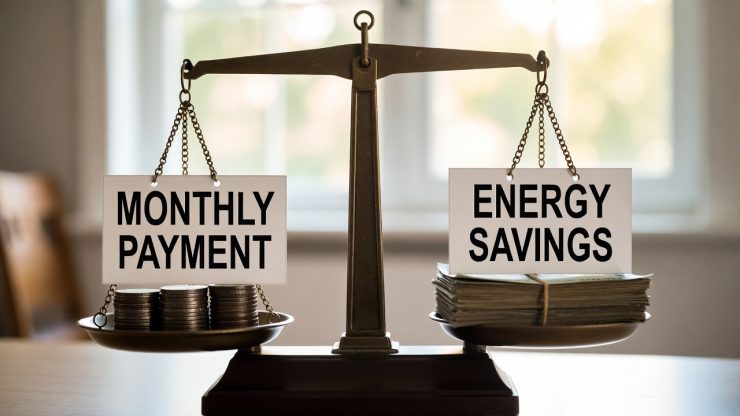
Understanding the Real Cost Equation: Energy Savings vs. Financing Interest
Many homeowners in the Lehigh Valley and Poconos face a common dilemma: their older windows are drafty and inefficient, driving up energy bills, yet the upfront cost of full replacement feels overwhelming. Affordable payment plans can make window upgrades far more accessible, but a frequent concern remains—will the interest on those payments outweigh the monthly savings? The answer isn’t simply yes or no. When you examine the actual performance of modern window technology and how it interacts with our region’s harsh winters and humid summers, you’ll find that energy savings often offset—and sometimes even exceed—the interest paid on financing. Here’s how the math works and what you need to know to make a confident, informed decision.
Technical Deep Dive: How Modern Windows Reduce Energy Costs
To compare energy savings with financing interest, it’s essential to first understand why modern windows outperform older units. In Northeast PA, where winters are long and cold and summer humidity can be intense, window performance affects not only comfort but also your wallet.
Frame Materials: Composite vs. Vinyl and Aluminum
Older homes in our region often have outdated wood or aluminum windows. These materials conduct heat and cold easily, leading to chilly drafts in winter and hot spots in summer. Today’s high-performance composite frames, engineered for strength and insulation, dramatically reduce this thermal transfer. Unlike basic vinyl, composites resist warping and maintain tight seals for decades—critical for homes that settle or shift over time (a common issue in the Poconos’ variable soils).
You might notice rooms that once felt cold near the window now hold a steady temperature, and your furnace or AC runs less frequently. That’s not just increased comfort; it’s measurable energy savings.
Glass Technology: Double vs. Triple Pane, Low-E, and Gas Fills
The glass itself does much of the energy-saving work. Modern energy-efficient windows use two or even three panes of glass, separated by insulating gas fills like argon or krypton. These gases are denser than air, making it harder for heat to pass through.
Low-E (low emissivity) coatings reflect heat back into your home during winter and block solar heat gain in summer. Together, these features can reduce heat loss by 30–50% compared to single-pane or poorly sealed double-pane units. In Northeast PA, where heating costs often spike from October through April, this efficiency translates into a tangible drop in monthly utility bills.
Installation Quality: The Overlooked Variable
No amount of advanced technology will deliver savings if windows are installed poorly. Gaps, inadequate flashing, or missing insulation around the frame can create hidden leaks that undermine even the best glass and frames. This is especially critical for older Lehigh Valley homes with out-of-square openings or shifting foundations—cookie-cutter insert windows rarely fit perfectly and often result in persistent drafts or condensation issues.
Professional installers who take the time to measure precisely, use full-frame replacements when necessary, and seal every gap with the right materials can make the difference between a window that performs as promised and one that fails to deliver any real savings. A key installation checkpoint is ensuring the use of low-expansion spray foam insulation around the frame perimeter to prevent air infiltration without risking frame distortion.
Scenario Analysis: Energy Savings in Real Northeast PA Homes
Let’s bring these technical details to life with real-world examples. Two scenarios illustrate how energy savings can interact with financing costs—and what you might expect in your own home.
Scenario 1: The Drafty Colonial in East Stroudsburg
Mary owns a 1970s colonial with original aluminum windows. Every winter, she notices icy drafts in the family room and frost forming inside the glass. Her gas bill spikes by $100–$150 each month from November to March. After replacing 12 windows with custom-sized, triple-pane composite units, her monthly heating bill drops by about $60 on average, and the entire house feels more comfortable.
Mary chooses a five-year payment plan at 8% annual interest, making monthly payments of about $120. Over the heating season alone, she recoups half of her payment in energy savings. When factoring in reduced summer AC use and increased home value, the net cost of her financing is much lower than she initially feared.
Scenario 2: The Out-of-Square Victorian in Bethlehem
Tom and Lisa live in a charming Victorian with beautiful but leaky wood windows. They notice persistent condensation, peeling paint, and rooms that never seem to warm up no matter how high they set the thermostat. After consulting with a reputable window installer, they opt for full-frame composite replacements with advanced Low-E glass and argon fills.
The installation team takes extra time to address unusual window shapes and foundation settling. The result: even temperatures room-to-room and a roughly 20% reduction in heating and cooling costs. Tom and Lisa finance the project over seven years at 7% interest, but their monthly energy savings (about $45) offset nearly 40% of their payment. For them, the peace of mind—no more worries about rotting frames or surprise drafts—was as valuable as the financial math.
The Real Math: Comparing Energy Savings to Financing Interest
It’s natural to wonder: will my energy savings really cover the interest on a payment plan? While every home is different, let’s break down the calculation using typical Northeast PA figures.
- Window Replacement Cost: $800–$1,200 per window installed (full-frame, composite, high-efficiency glass)
- Number of Windows: 10–15 (typical for older homes in the region)
- Total Project Cost: $8,000–$18,000
- Payment Plan Example: 6%–9% APR over 5–10 years
- Monthly Payment: $90–$250 depending on project size and terms
- Typical Energy Bill Reduction: $35–$80 per month (heating and cooling savings)
Over a full year, energy savings can range from $400 to $900. Over the life of the payment plan, these savings can offset a sizable portion of the total interest paid—sometimes the majority, especially if your current windows are in poor condition. For those planning to stay in their home, the benefits continue long after the loan is paid off.
Beyond the Numbers: What Homeowners Actually Experience
While numbers matter, comfort and peace of mind are just as important. Homeowners often underestimate the daily impact of new windows: quieter rooms, consistent temperatures, and the elimination of cold spots. In regions like the Lehigh Valley and Poconos, where winter air can be harsh and summers humid, these improvements have real value.
Another advantage is maintenance. Composite frames require almost no upkeep, unlike wood, which needs regular painting and caulking. For busy families or older homeowners, this is a hidden yet significant long-term saving.
Key Considerations Before Choosing a Payment Plan
Before committing to a financed window project, consider asking these important questions:
- Custom Fit: Will the installer measure and order windows to fit your exact openings, or are they using standard inserts? (Older homes almost always need custom sizing for maximum efficiency.)
- Frame Material: Are you comparing true composite or fiberglass options, or basic vinyl? The initial cost difference often pays back through longevity and energy savings in our climate.
- Glass Package: Will you get double or triple-pane glass, Low-E coatings, and argon or krypton gas? Ask for specifics and compare U-factor ratings.
- Installation Practices: Who is performing the work? Are they using full-frame replacements, proper flashing, and insulation? Cutting corners here can wipe out gains from high-tech windows.
- Warranty: Does the financing or installation process affect your warranty? A well-installed composite window should last decades, but only if installed to manufacturer specifications.
Take the time to get clear answers. A reputable installer will welcome these questions and explain their approach in detail.
Optimizing Long-Term Value: Additional Benefits of Financing Energy Upgrades
Financing isn’t just about spreading out payments. In many cases, homeowners can use the cash they would have spent upfront for other priorities—emergencies, college savings, or home improvements. Meanwhile, the enhanced comfort, lower bills, and increased resale value of a window upgrade start delivering returns immediately.
For those considering selling in the future, energy-efficient upgrades are a strong selling point—especially in Northeast PA, where older homes are common and buyers value both comfort and low operating costs. Well-chosen windows, installed with skill, often pay dividends long after the interest on the payment plan is a distant memory.