The Overlooked Variable: Installation Quality vs. Product Hype
When it comes to replacing windows, homeowners in the Lehigh Valley and Poconos often face a flood of choices: countless brands, catchy marketing, and aggressive promotions from big box retailers. It’s easy to focus on visible features—triple-pane glass, composite frames, or impressive energy ratings. Yet, in our Northeast PA climate, the true performance of any window depends far less on the specs and much more on the quality of installation. This technical aspect is routinely underserved by large retailers and national chains, leaving many homeowners unknowingly set up for disappointment.
The Anatomy of a Proper Window Installation
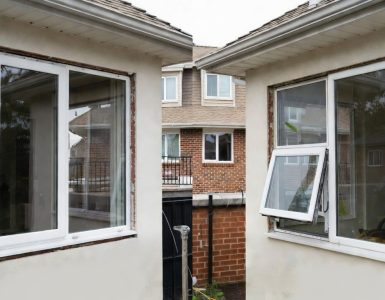
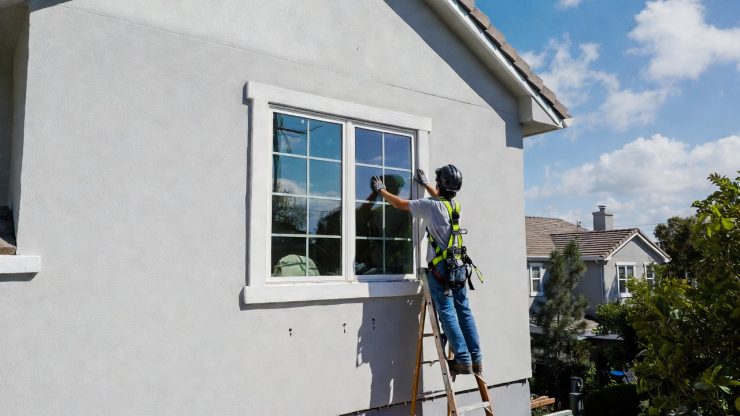
Understanding why installation matters means taking a closer look at what actually happens during a professional replacement. In older homes across our region—think century-old Victorians in Easton or mountain cabins in the Poconos—wall openings are rarely perfectly square. Settling, shifting, and decades of seasonal temperature swings all leave their mark. A skillful, detail-oriented installer will:
- Take precise measurements for custom-fit windows rather than defaulting to standard, off-the-shelf sizes.
- Inspect the existing frame for rot, water damage, or misalignment.
- Remove the old window fully—including frame and sash, if necessary—to address hidden issues.
- Use proper flashing and sealing to prevent water intrusion around the window perimeter.
- Apply insulation (often low-expansion foam) between the frame and wall, ensuring no gaps remain for drafts or pests.
- Align and square the window, checking operation before finalizing interior and exterior trim.
Technical Nugget: When applying low-expansion spray foam insulation, it’s critical to use a foam with a low yield expansion rate (typically under 20%) to avoid bowing or warping the window frame, which can compromise alignment and long-term operation.
Each of these steps directly impacts energy efficiency, durability, and comfort. Skipping or rushing even one invites future headaches—drafts, condensation, sticking sashes, or premature failure. Big box installations, driven by volume and speed, often cut corners or treat every opening as identical, which is rarely the case in Northeast PA homes.
What Actually Happens with Big Box Installations?
Big box retailers typically subcontract installations to large regional crews. These crews may be experienced—but they’re rarely specialists in the quirks of our region’s housing stock. Their workflow is standardized: measure quickly, order standard insert sizes, and move rapidly from one house to the next. The result? Windows that may “fit,” but are not truly custom to your home’s unique dimensions or underlying structure.
For example, if your Allentown Colonial has settled over the decades, an off-the-shelf insert might leave uneven gaps at the sill or jambs. The installer may fill these with caulk or foam, but this patchwork rarely delivers long-term performance. Worse, it can void some manufacturer warranties, as improper installation is a leading cause of window failure.
Contrast this with a master installer who takes the time to measure each opening, recommends full-frame replacement when necessary, and custom-orders each window. That attention to detail is the difference between a window that “looks fine” on day one and one that still operates smoothly and seals tightly ten Northeast PA winters later.
Scenario 1: Drafts Persist After a Big Box Job
Consider Mary, a homeowner in Bethlehem, who recently had her windows replaced by a national chain through a big box store. A few months after installation, she notices her living room still feels chilly on windy days. Upon inspection, she finds a faint draft coming from one corner of a brand-new window. The installer had used a standard-size insert and packed extra foam to fill the irregular space. While this met minimum requirements, it didn’t provide a true seal—resulting in persistent drafts and higher heating bills.
Technical Deep Dive: Window-to-Wall Integration
The real secret of long-lasting, high-performance window replacement lies in the transition zone—the space between the new window frame and the existing wall. This is where the technical skill of your installer is either revealed or exposed. Proper integration involves:
- Flashing: Specialized materials (flexible membranes, metal flashing) direct water away from the window opening and prevent leaks. If flashing isn’t used or is installed incorrectly, water can infiltrate, leading to rot and mold inside your walls.
- Insulation: Low-expansion spray foam or backer rod with caulk fills the gap between the window frame and rough opening. This step is critical in Northeast PA, where sub-zero temperatures and wind-driven rain are common. Missed spots or the wrong materials create cold spots and condensation.
- Alignment and Shimming: Every window must be perfectly level, plumb, and square. Even slight misalignment can prevent the window from opening, closing, or locking smoothly—and can stress the frame, causing warping over time.
- Sealing: Interior and exterior caulking protect against air and water intrusion. The choice of caulk and application technique matter, especially with older, uneven walls.
Big box crews often rush these steps, especially when paid by the job rather than by the hour. The difference may not be visible immediately—but it will show up the first time a Northeast PA nor’easter rolls through.
Scenario 2: Foggy Glass and Warranty Surprises
Tom and Linda, homeowners in Stroudsburg, opted for a popular name-brand window through a big box promotion. A year after installation, two of their new windows developed foggy glass—an early sign of seal failure. When they contacted the manufacturer, they learned the warranty was void due to improper installation: the windows weren’t flashed correctly, allowing water to penetrate the sash. The installer—no longer with the subcontractor—was out of reach, leaving Tom and Linda with costly repairs.
The Real Cost of “Convenience”
Big box stores market window replacement as a commodity: pick a brand, pick a style, schedule installation, and move on. But for homeowners in the Lehigh Valley and Poconos, where winters are cold, summers are humid, and homes are rarely textbook-perfect, this approach often leads to regret. Here’s what you might actually notice if the installation falls short:
- Persistent drafts, even with new windows installed.
- Condensation or fog between panes, indicating seal failure.
- Windows that stick, don’t close fully, or are difficult to lock.
- Water stains or peeling paint around window trim after rain.
- Noticeable temperature swings in rooms that should be comfortable.
These aren’t just annoyances—they’re signs of a missed opportunity to improve your home’s comfort, efficiency, and value. A lower upfront price from a big box store can quickly be offset by repair costs, lost efficiency, and the frustration of chasing down warranty claims that go nowhere.
How to Vet an Installer: What to Look For (and What to Ask)
For detail-oriented homeowners, the best way to avoid installation pitfalls is to ask specific, technical questions during your consultation. Here are key points to cover:
- Custom Sizing: Will each window be measured and custom-ordered for my home, or are standard sizes being used?
- Full-Frame vs. Insert: How does the installer determine which method is appropriate? (Older homes often need full-frame replacements to address hidden damage.)
- Flashing and Sealing: What materials and methods are used to protect against water intrusion?
- Insulation: What products are used between the window and wall? How is air infiltration tested?
- Installer Credentials: Who actually performs the work? Are they company employees or subcontractors? What training do they have?
- Warranty Coverage: Is the installer certified by the manufacturer? Will the warranty be honored if there’s a problem?
A reputable, local window specialist in Northeast PA will answer these questions confidently, with clear explanations—not vague assurances. They’ll also be able to walk you through previous projects, explain how they handle out-of-square openings, and show you the difference in materials and techniques.
Why Local, Specialized Installation Makes the Difference
A big box store’s business model relies on volume, not craftsmanship. Local installers, especially those who focus solely on windows and doors, have a direct stake in every project’s outcome. They understand the specific challenges of our climate—freeze-thaw cycles, wind-driven rain, and homes with 100+ years of character. Most importantly, they invest the time and attention to detail that your investment deserves.
When installation is done right, you’ll notice:
- Even, comfortable temperatures throughout your home.
- Windows that open, close, and lock with ease, year after year.
- No drafts, leaks, or condensation, even in the depths of winter.
- Peace of mind knowing your warranty is intact and your installer is accountable.
Ultimately, the brand on the glass matters far less than the quality of the work behind it. In the Lehigh Valley and Poconos, where every house tells a unique story, installation isn’t just a step—it’s the foundation for comfort and value.