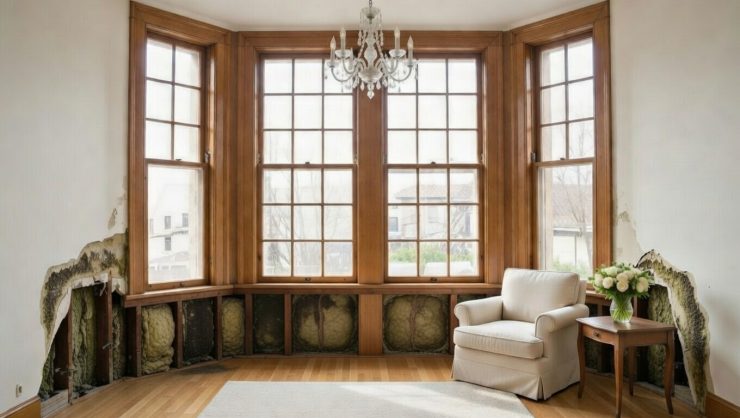
When a Small Draft Turns into a Bigger Problem
Picture this: It’s early spring in the Lehigh Valley. You’re opening your windows for the first time in months, hoping to air out the stale winter air. But as you slide up the sash, you notice condensation trapped between the panes—and a faint musty smell coming from the frame. You wonder if it’s just your imagination or if there’s a bigger issue hiding beneath the surface.
This scenario is more common than many homeowners realize. Old or poorly installed windows don’t just let in drafts; they can invite moisture, condensation, and—if left unchecked—mold growth inside your home. Mold isn’t just unsightly. For families with allergies, asthma, or anyone concerned about indoor air quality, mold can quickly escalate from a nuisance to a genuine health concern.
Understanding the Connection: Windows, Moisture, and Mold
It might not be obvious at first how windows and mold are connected. The reality is that windows are one of the most common places for moisture to sneak into a home—especially in regions like the Poconos and Lehigh Valley, where cold winters and humid summers create big swings in indoor and outdoor conditions.
Here’s how it usually happens: When window seals fail, or frames warp or rot, small gaps appear. Moisture from rain, melting snow, or even humid air can find its way into the wall cavity or window frame. Over time, water collects—sometimes hidden from view. This persistent dampness creates the ideal environment for mold spores to settle and spread.
Homeowners often don’t notice the problem until it’s advanced. What starts as a minor draft or foggy glass can turn into peeling paint, warped trim, and visible mold on sills or drywall. In some cases, the mold is hidden within the wall itself, only discovered during a renovation or when musty odors become unmistakable.
What Homeowners in Northeast PA Actually Notice First
Most people don’t go hunting for mold behind their windowsills. Instead, they notice small but telling signs in daily life. Here’s what tends to catch a homeowner’s attention:
- Persistent Condensation: Water droplets on the inside of your window glass, especially in colder months.
- Foggy or Cloudy Windows: Moisture trapped between panes, usually indicating a failed seal.
- Peeling Paint or Swollen Wood: Frames and trim that look warped, bubbled, or soft to the touch.
- Black or Green Streaks: Spots around the window frame, sill, or surrounding drywall.
- Musty Odors: A damp, earthy smell near specific windows, even if you can’t see visible mold.
If you’re noticing any of these signs, it’s worth investigating further. Catching the issue early can prevent expensive repairs—and serious health risks—down the line.
Real-World Scenario: The Unseen Costs of Ignoring the Warning Signs
Consider the experience of a family in the Poconos who put off replacing their aging windows. They noticed drafts and a bit of condensation each winter but figured it was just part of living in an older home. Over time, the trim around several windows started to peel, and one child developed persistent allergies. When they finally had a professional look, it turned out that water had been seeping in for years. Mold had spread behind the drywall in two rooms, requiring costly mold remediation—and full window replacement anyway.
This isn’t an isolated case. In the Lehigh Valley, another homeowner discovered black mold on the inside of their basement windows after a particularly wet spring. The culprit? Out-of-square frames and failing seals that let rainwater leak in. Addressing it early saved them from a much larger repair bill.
Why Window Installation Quality Makes All the Difference
Even the best windows will fail if they’re not installed correctly. Poor installation means gaps in flashing, inadequate sealing, or improper insulation—each a potential entry point for water. In Northeast PA’s climate, where ice dams, heavy rains, and freeze-thaw cycles are common, even a small installation oversight can have big consequences over time.
If you’re replacing windows, insist on a contractor who takes the time to assess your home’s unique needs. Look for companies that emphasize full-frame replacements when needed, custom sizing (especially for older homes), and a detailed approach to sealing and flashing. Don’t be afraid to ask how they prevent moisture intrusion—and what’s covered by their warranty if mold does appear later.
Technical Tip: During installation, ensure that a high-quality, flexible, vapor-permeable flashing membrane is integrated around the window opening. This allows moisture vapor to escape while preventing liquid water intrusion, which is critical for maintaining a dry wall cavity and preventing mold growth.
Questions to Ask Before Replacing Your Windows
- How do you ensure the window opening is properly flashed and sealed?
- Will you use custom-sized windows or standard inserts? (Custom sizing is often essential for older, out-of-square frames.)
- What steps do you take to check for existing moisture or mold before installation?
- How does your installation process address the risk of future leaks?
- What type of warranty do you provide against water intrusion or mold?
Getting clear answers can help you avoid costly mistakes—and ensure your new windows actually protect your home.
Frame Materials Matter: Durability and Moisture Resistance
In Northeast Pennsylvania, the window frame material you choose can play a major role in preventing mold. Basic vinyl frames are affordable but can warp or crack over time, especially if not installed with care. Wood frames, while classic, are prone to rot and require diligent maintenance, particularly in damp or shady areas.
Composite frames, on the other hand, offer superior durability and moisture resistance. They don’t absorb water, resist warping, and typically last much longer than basic vinyl or wood. For homes in the Lehigh Valley or Poconos—where older housing stock and fluctuating weather are the norm—choosing a composite frame can be an extra layer of protection against mold risk.
Energy Efficiency and Condensation: Why Glass Choice Matters
Double- or triple-pane glass, low-E coatings, and gas fills (like argon or krypton) aren’t just about saving energy. They also help control interior condensation, a common source of moisture around windows. Windows with a low U-factor and a good R-value keep indoor surfaces warmer during cold spells, reducing the likelihood of water vapor condensing on the glass or frame.
If your current windows routinely “sweat” during winter, upgrading to higher-performance glass may be a smart move. Not only will you improve comfort, but you’ll also reduce the chance of mold-friendly dampness taking hold.
Signs Your Glass Isn’t Doing Its Job
- Condensation appears even when the rest of the house feels dry.
- Windows feel cold to the touch in winter or hot in summer.
- Persistent fog or moisture inside double-pane windows (failed seal).
These are all signals that your current windows aren’t insulating as well as they should, making mold more likely to develop over time.
What to Do If You Suspect Mold Around Your Windows
If you notice visible mold, don’t panic—but don’t ignore it either. Small surface patches can sometimes be cleaned safely, but if you see widespread staining or if the area feels damp or soft, there may be a larger problem inside the wall. Mold can also spread through hidden cavities, so persistent musty smells or ongoing moisture issues are signs you need a professional assessment.
In many cases, window replacement is the safest and most cost-effective solution—especially if your current windows are past their prime or were never properly installed. Replacing windows gives you a chance to address hidden damage, improve sealing, and choose materials that will stand up to Northeast PA’s weather for years to come.
Don’t Forget: Mold Prevention Starts with the Right Windows
It’s easy to focus on energy bills or aesthetics, but in regions like the Lehigh Valley and Poconos, protecting your home from moisture and mold is just as important. Investing in quality windows—and skilled installation—pays off in peace of mind and a healthier home environment.
Homeowner Checklist: Reducing Mold Risks with Window Upgrades
- Inspect window frames, sills, and surrounding drywall for stains, peeling paint, or soft spots at least twice a year.
- Open and close each window to check for drafts, sticking, or out-of-square frames.
- Address visible condensation or fogging promptly; these are early warning signs of seal failure.
- If your home has older or wood-framed windows, consider upgrading to composite or high-quality vinyl with proper installation.
- Ask potential installers about their moisture management techniques—and don’t settle for vague answers.
Taking these steps can help you spot problems early and make informed decisions if it’s time for replacement.
Looking Ahead: The Value of Proactive Window Replacement
Preventing mold is always less expensive—and less stressful—than remediating it after the fact. If you’re already seeing signs of trouble or if your windows are more than 15–20 years old, a professional inspection is a wise move. In-home consultations let you see firsthand what’s happening inside your window frames and walls and help you understand your options for both repair and replacement.
In the Lehigh Valley and Poconos, where every season brings its own challenges, a little attention to your windows today can pay off in a healthier, more comfortable home for years to come.