Separating Fact from Fiction: Why Wood Window Maintenance Is So Misunderstood
Wood windows carry an undeniable charm—especially in the historic neighborhoods and older homes throughout the Lehigh Valley and Poconos. Yet many homeowners find themselves uncertain or even wary about what it actually takes to care for them. Misconceptions often overshadow the facts, sometimes leading to premature window replacement or unnecessary worry. To clear the air, let’s tackle some of the most persistent myths about wood window maintenance and reveal the reality behind each one.
Myth 1: All Wood Windows Require Constant, Time-Consuming Upkeep
It’s common to hear that wood windows demand endless attention—yearly scraping, sanding, and painting. This belief stems from the experience of older generations, who dealt with windows built decades before modern materials and finishes were available.
Reality: Modern Wood Windows and Proper Installation Reduce Maintenance Demands
Today’s wood windows are often factory-finished with high-performance stains, paints, and clear coats—many of which can last 8–10 years before needing a new finish, especially when properly maintained. In the Lehigh Valley and Poconos, where humidity and temperature swings are reality, the difference between a poorly installed window and a well-installed one is dramatic. If a window is flashed and sealed correctly, and the manufacturer’s finish is intact, maintenance can be as simple as periodic cleaning and spot touch-ups.
Scenario: Maria lives in a 1920s Allentown home. Her original wood windows were drafty and constantly needed paint. After a professional full-frame replacement with custom-measured wood windows and modern finishes, she found she only needed to check the finish every few years and spot-repair any nicks—far less work than she expected.
Myth 2: Wood Windows Can’t Stand Up to Northeast PA Winters
The frigid temperatures and heavy snowfalls in the Lehigh Valley and Poconos lead some to believe wood windows will swell, rot, or warp within just a few years. This myth causes many to default to vinyl or composite options without considering other factors.
Reality: Frame Material Matters—But So Do Maintenance and Upgrades
Quality wood windows, especially those with exterior cladding (aluminum or fiberglass), are engineered to resist moisture and temperature extremes. Regular inspection of caulking, weatherstripping, and exterior finishes helps prevent water infiltration that leads to rot. If you notice cold drafts around your window frames or condensation between panes, it’s often a sign of failed seals or poor installation—not the wood itself. In fact, with proper care, wood windows can last generations, even in tough Northeast PA winters.
Scenario: Ben in the Poconos noticed his living room always felt chilly. After an assessment, a pro found the draft was due to gaps where previous installers used off-the-shelf insert windows, not full-frame replacements. Upgrading to custom-sized, properly insulated wood windows with composite cladding solved the issue—and required no more maintenance than his old vinyl windows.
Myth 3: Painting or Staining Is the Only Way to Protect Your Windows
Many homeowners believe bare wood must be painted or stained annually to avoid rot. The idea is that wood is inherently fragile and needs constant barrier protection.
Reality: Factory Finishes and Modern Products Offer Long-Term Protection
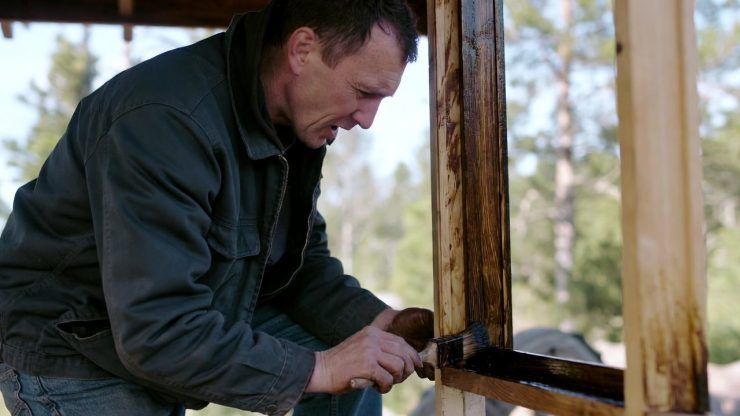
Most reputable wood window manufacturers apply finishes in controlled environments, ensuring deep penetration and even coverage. These finishes—whether paint, stain, or clear coat—are designed for longevity and UV resistance. While touch-ups are needed if the finish is damaged, full refinishing is rarely an annual task. Look for signs like peeling, cracking, or exposed raw wood. In many cases, a small area can be sanded and resealed, preserving the rest of the window for years. Ask installers about the specific finish system used and their recommendations for touch-up products suited to local weather patterns.
Myth 4: Wood Windows Are Always Drafty and Inefficient
It’s easy to picture old, rattling sashes when you think of wood windows. This myth persists because many people have never experienced modern, properly installed wood windows.
Reality: Energy Efficiency Depends on Glass, Sealing, and Installation—Not Just Frame Material
Drafts and inefficiency usually come from poor installation, aging weatherstripping, or outdated glass units. Today’s wood windows can be ordered with double or triple-pane, argon- or krypton-filled insulated glass, and low-E coatings—delivering excellent U-factor and R-value performance. For Northeast PA, where winter temperatures routinely dip below freezing, these upgrades make a dramatic difference in comfort and energy bills. Proper installation is critical: flashing, insulation around the frame, and careful sealing prevent drafts—not just the window material itself.
Technical Tip: During installation, ensure the window frame is properly shimmed and insulated with low-expanding spray foam or backer rod and sealant to prevent thermal bridging and air leaks—this quality checkpoint is essential for maximizing energy efficiency and preventing moisture intrusion.
You might notice uneven temperatures near windows, condensation between glass panes, or “whistling” sounds during windstorms. All are signs it’s time for an expert inspection—often, issues can be resolved without full replacement if caught early.
Myth 5: Replacing Wood Windows with Vinyl or Composite Is Always the Best Long-Term Choice
With so many newer materials on the market, it’s tempting to believe switching away from wood is the only path to low maintenance and durability. This isn’t always true, especially in older and historic Lehigh Valley and Poconos homes.
Reality: The Right Wood Windows Can Outlast Alternatives—If Properly Maintained
Wood windows remain a smart option for many Northeast PA homes, particularly when maintaining original appearance or meeting historic district requirements. While composite and high-end vinyl frames can offer impressive performance, well-maintained wood windows rival their durability and avoid the warping or fading sometimes seen in lower-end vinyl. The caveat is maintenance: a small investment in regular inspection and occasional touch-ups prevents major issues down the road. If you’re evaluating replacement, ask your installer about differences in frame construction, maintenance expectations, and warranty coverage for each material.
Myth 6: Maintenance Is All or Nothing—Either You’re Constantly Working, or You Ignore Issues
Some homeowners feel overwhelmed by the idea of maintenance, assuming it’s either a never-ending chore or a risk they can ignore altogether. This black-and-white thinking can lead to neglect, which is when real problems start.
Reality: Proactive, Seasonal Checks Catch Problems Early and Save Money
The truth is, a little attention at the right time goes a long way. For most Lehigh Valley and Poconos homeowners, a spring and fall inspection is enough. Look for signs of finish breakdown, water stains, or loose weatherstripping. Clean the tracks, lubricate moving parts, and address minor issues before they become expensive repairs. It’s no more demanding than other annual home maintenance tasks, like cleaning gutters or servicing your HVAC system. If you’re unsure what to look for, a reputable window company can perform an annual checkup and advise on needed touch-ups.
Myth 7: Professional Help Isn’t Needed—DIY Maintenance Is Always Enough
The DIY spirit is strong in Northeast PA, but some homeowners underestimate the complexity of maintaining window systems—especially if the original installation wasn’t perfect.
Reality: Expert Assessment Can Identify Hidden Issues and Extend Lifespan
While basic cleaning and seasonal touch-ups are certainly within reach for most homeowners, some problems aren’t visible until it’s too late. Moisture trapped behind trim, failing flashing, or subtle frame misalignment can lead to costly repairs if not addressed promptly. If your wood windows show persistent condensation, sticking sashes, or unexplained drafts, it’s wise to have a professional assessment. Master installers can check for hidden leaks, recommend the right materials for repairs, and ensure your windows continue to perform for years to come.
What Smart Homeowners Do: Practical Steps for Maintaining Wood Windows
After separating myths from reality, what should you actually do to maintain your wood windows—especially in the variable Northeast PA climate?
- Inspect seasonally for cracking, peeling, or soft spots in the wood.
- Clean glass and sills regularly to prevent dirt buildup and spot problems early.
- Touch up paint or stain where needed, using products recommended by the manufacturer.
- Check caulking and weatherstripping for gaps or deterioration, especially after harsh winters or storms.
- Address minor issues promptly—small repairs are far less expensive than major replacements.
- Schedule professional inspections every few years, especially if you notice persistent drafts, condensation, or operational problems.
By taking these steps, you’ll preserve the beauty and efficiency of your wood windows without unnecessary hassle.