Myth #1: “Insert Windows Always Save Time and Money Compared to Full Frame Replacement”
It’s easy to see why homeowners in the Lehigh Valley and Poconos might lean toward insert window replacement. Local ads and even some well-meaning contractors suggest inserts as a quick, cost-effective fix. However, cost and time savings aren’t always guaranteed—and sometimes, they’re not savings at all.
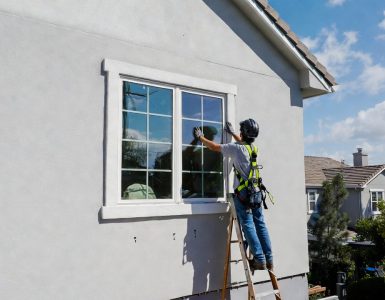
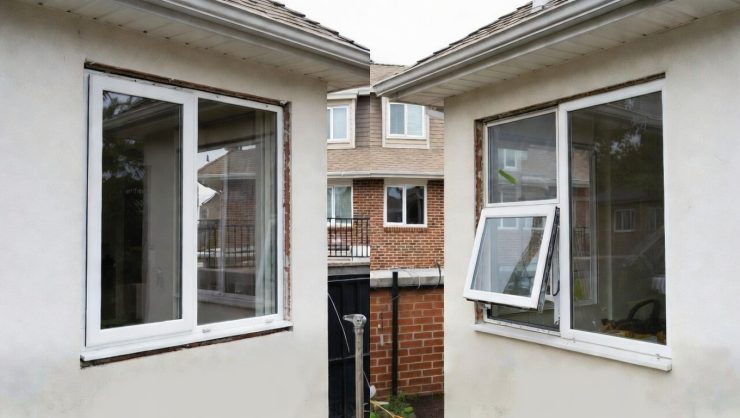
Insert windows are designed to fit inside your existing window frame. This works well if your frames are structurally sound, square, and free of water or rot damage. In older homes typical of Easton, Bethlehem, Stroudsburg, or Jim Thorpe, frames often aren’t perfectly true. It’s common to find hidden issues—such as moisture intrusion, failing sills, or warped wood. If these problems go unaddressed, you may pay less upfront but face bigger headaches down the road, like drafts, energy loss, or even structural repairs. In these cases, full frame replacement may be the more prudent investment, as it removes the entire window unit and addresses the underlying framing.
Homeowner scenario: Imagine a homeowner in a 1940s Allentown colonial. She chooses insert windows to save money, only to discover persistent cold spots by the windows each winter. A later inspection reveals the old frames were warped and poorly insulated, allowing air leakage. A full frame replacement would have solved the root issue—saving her from repeated discomfort and repair costs.
Reality Check: Full Frame Replacement Can Prevent Hidden Damage from Spreading
When you choose full frame replacement, your installer removes everything down to the rough opening. This exposes any hidden water damage, rot, or insulation gaps that might otherwise be missed. In Northeast PA’s climate—where freeze/thaw cycles and humidity can deteriorate wood over time—this is a crucial step for long-term home health.
Full frame installations typically allow for improved insulation and weatherproofing. Modern flashing, high-performance sealants, and custom-fit composite frames ensure a tighter, more energy-efficient installation. While the upfront cost is sometimes higher, the long-term benefits—reduced heat loss, fewer drafts, and better comfort—often outweigh the initial investment.
Technical Nugget: During full frame installation, it’s essential to install a continuous, self-adhered flashing membrane at the sill and jambs before setting the window. This waterproof barrier prevents moisture intrusion behind the frame, a critical quality checkpoint that protects the structure and extends the life of your windows.
Myth #2: “Insert Windows Are Just as Energy Efficient as Full Frame Replacements”
This is a common belief, especially when insert windows feature modern glass packages. But energy efficiency is about more than glass. The installation method and frame condition play a huge role in how well your new windows perform in the real world.
When you opt for an insert, you’re relying on the integrity of your old frame. Any gaps, warping, or misalignment remain hidden beneath the new sash. In Northeast PA, where winter winds and summer humidity put stress on windows, these small imperfections can lead to bigger problems—drafts, condensation, and cold rooms. Even the best glass can’t compensate for a poor seal or failing frame.
Reality Check: Installation Quality and Frame Material Matter More Than Glass Alone
True energy efficiency starts with a solid, square, and well-insulated opening. Full frame replacement lets expert installers address out-of-square frames, insulate gaps with expanding foam, and install new composite or fiberglass frames that outperform basic vinyl—especially in cold climates. Composite frames, in particular, resist expansion and contraction, keeping seals tight year-round.
Double- and triple-pane glass, low-E coatings, and argon or krypton gas fills are all important. But without a precisely measured, properly installed full frame window, even the best glass can’t prevent heat loss. Ask your installer about the U-factor and R-value of both the window unit and the installation method—not just the glass.
Myth #3: “Insert Windows Are Always Less Disruptive Than Full Frame Replacement”
Many homeowners worry that a full frame replacement will mean major disruption—interior trim removal, dust, mess, and days without privacy or comfort. While it’s true that full frame installation is more involved, the disruption is often overstated, especially with professional crews who respect your home.
In fact, in some older homes, trying to force an insert into an out-of-square opening leads to repeated adjustments, extra caulking, and sometimes a poor fit. This can actually create more mess and frustration than a well-planned full frame job.
Homeowner scenario: A Stroudsburg family with a 1970s split-level chooses inserts to minimize inconvenience. But the old frames are bowed from decades of settling. The crew spends hours shimming and recaulking, only to leave visible gaps and uneven trim. A full frame approach would have required a bit more prep but delivered a cleaner, more professional result with less long-term hassle.
Reality Check: Professional Full Frame Replacement Can Be Efficient and Respectful
With an experienced team, full frame window replacement is often completed in a single day for most homes. Installers use drop cloths, minimize dust, and carefully reattach or replace trim to match your home’s interior. The benefit is a start-to-finish job that’s both thorough and respectful of your living space. In Northeast PA, where older homes are the norm, this careful approach ensures lasting comfort and peace of mind.
Myth #4: “All Installers Approach Full Frame and Insert Replacements the Same Way”
Not all window companies hold the same standards, especially when it comes to the details of installation. Some treat full frame and insert replacements as interchangeable, using the same basic skills and tools. This approach can lead to costly mistakes—especially in the varied housing stock of the Lehigh Valley and Poconos, where homes can differ dramatically in age, construction, and window sizing.
Proper full frame replacement requires careful measurement, removal of old sills and frames, assessment for structural damage, and the installation of new flashing and insulation. Insert replacements, while less invasive, still require detailed evaluation to ensure the existing frame is suitable. Rushed or inexperienced installers may gloss over these steps in the interest of speed, compromising the end result.
Reality Check: The Right Installer Makes All the Difference
Master installers understand that no two homes—or windows—are exactly alike. In Northeast PA, where you’ll find everything from historic farmhouses to newer developments, a one-size-fits-all mindset simply doesn’t work. Look for companies that prioritize a thorough evaluation of your window openings and are transparent about when full frame replacement is truly needed.
Ask about their process: Do they assess for rot and water damage? How do they ensure a square, airtight fit? Do they offer composite or fiberglass frames for increased durability? The installer’s expertise and commitment to best practices are as important as the window brand you choose.
Myth #5: “You Can Easily Tell If You Need Full Frame or Insert Replacement Yourself”
Many homeowners believe a quick look at their windows is all it takes to decide between insert and full frame replacement. But the signs aren’t always obvious without removing trim or using specialized tools. Some issues—like hidden moisture, frame warping, or insulation gaps—aren’t visible to the naked eye.
What you might notice: persistent drafts even after caulking, foggy glass that recurs despite cleaning, or windows that stick, rattle, or refuse to close completely. These symptoms can mean frame or sash problems, but the underlying cause may be deeper—only revealed by removing the entire window unit.
Reality Check: A Professional Evaluation Is Essential for the Right Choice
Before making a decision, schedule a detailed in-home consultation with a window expert. They’ll inspect the frames, measure for out-of-square openings, check for rot or water damage, and explain the pros and cons of each approach. In older Northeast PA homes, this step is critical for ensuring your investment solves the real problem, not just the visible symptoms.
Don’t hesitate to ask for a breakdown of what the installer finds. Request photos or videos of any hidden damage. A reputable company will welcome your questions and help you compare the long-term value of full frame versus insert replacement based on your specific situation.
What to Ask Before Replacing Your Windows
- How old is my home, and what’s the condition of my existing frames?
- Will the installer inspect for hidden rot, moisture, or insulation gaps?
- What are the benefits of composite or fiberglass frames in our climate?
- How will the installation impact my trim and interior finishes?
- Does the company guarantee their installation practices and materials?
- Can I see examples of similar projects in the Lehigh Valley or Poconos?
These questions help ensure you get a solution that fits your home—not just a quick fix.