The Challenge: Persistent Window Problems in Northeast PA Homes
If you live in the Lehigh Valley or Poconos, you may have noticed certain rooms that never seem quite comfortable—drafts in winter, windows that stick or rattle, or frames that look worn well before their time. Many homeowners in Northeast PA find that their replacement windows, especially basic vinyl models, don’t hold up well against the region’s demanding weather or the quirks of older homes. What’s causing these issues, and is there a better alternative?
Why Window Material Matters More Than You Think
It’s easy to assume that all replacement windows are more or less the same, but the frame material is at the core of long-term performance. In Northeast PA, the freeze-thaw cycles, high summer humidity, and cold winter snaps put extra stress on windows. Vinyl frames, while affordable and low-maintenance, can expand and contract with temperature swings. Over time, this movement can lead to gaps, warped sashes, and compromised seals—especially if the installation wasn’t meticulous.
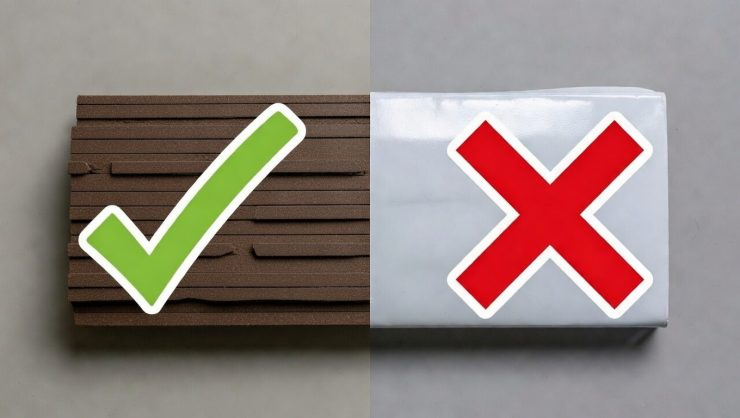
Composite frames, on the other hand, are engineered to resist these changes. Made from a blend of materials like fiberglass and resin, composites mimic the strength and stability of wood without the maintenance headaches. Their rigidity means they’re less likely to bow or twist, keeping their shape and energy efficiency even after years of Northeast PA winters. This isn’t just about longevity—it directly impacts comfort and energy costs throughout the year.
How Improper Sizing and Installation Compound the Problem
Consider a typical scenario: a homeowner in an older Allentown colonial replaces drafty, original windows with off-the-shelf vinyl inserts from a big-box store. At first, everything seems fine. But by the second winter, they notice cold air trickling in around the frames, and the living room feels chilly no matter how high the heat is set. What happened?
The issue often begins with sizing. Older homes rarely have perfectly square window openings. Standard-size vinyl inserts can leave gaps or force installers to use excessive caulking and shims—temporary fixes that break down over time. Composite windows, which can be custom-manufactured to fit each unique opening, allow for a snug, precise installation. When combined with proper flashing, sealing, and insulation, this custom approach helps eliminate drafts and water infiltration for good.
Pro tip: During installation, ensure the window frame is anchored securely using corrosion-resistant fasteners placed at manufacturer-recommended intervals to prevent frame movement and maintain long-term seal integrity.
Energy Efficiency: Beyond the Numbers
Homeowners often focus on glass specifications—double- or triple-pane, low-E coatings, gas fills. These are important, but the frame material and installation quality can make or break your investment. Vinyl frames, especially lower-grade ones, may lose their insulating value as they warp or the seals degrade. Composite frames, because of their density and stability, maintain their insulation and structural integrity over decades.
Consider a Stroudsburg homeowner with a sunroom plagued by condensation and foggy glass. The culprit? Failed seals in older vinyl windows that flex with temperature changes. Composite windows, with their rigid frames and advanced glass packages, dramatically reduce this risk. The result is clear glass, less condensation, and a more comfortable space year-round.
Comparing Durability and Maintenance in Real-World Terms
Durability is about more than just resisting the elements—it’s also about how much attention your windows will need over time. Vinyl windows rarely require painting, but their color can fade and the frames may develop hairline cracks or bowing, especially on south-facing exposures. Composite windows, by contrast, are designed to resist fading, chipping, and warping. For homeowners in the Poconos dealing with high humidity, composite frames are also far less prone to swelling and rot than wood or lower-quality vinyl.
Maintenance is another area where the difference is clear. Composite windows typically only need occasional cleaning, while vinyl may require more frequent attention to keep seals and tracks functioning. For busy families or those who travel often, this can be a significant advantage—one less thing to worry about as the seasons change.
What Should Homeowners Look For When Choosing?
Ask About Custom Sizing and Installation Practices
Always ask potential installers how they measure and fit windows for older homes. Do they offer full-frame replacements and custom sizing, or do they rely on standard inserts? A reputable company will explain the benefits of a tailored approach and show you how a precise fit impacts comfort and performance.
Discuss Frame Materials in the Context of Our Climate
Don’t hesitate to ask why they recommend a certain frame material. For Lehigh Valley and Poconos homes, composite is often a smarter long-term investment due to its resistance to temperature swings, humidity, and aging.
Evaluate Energy Efficiency as a Whole System
Look beyond glass specs. Ask how frame material, sealants, and installation practices work together to deliver energy savings and comfort. The best window is only as efficient as its weakest component.
Common Mistakes Homeowners Make—and How to Avoid Them
One common mistake is focusing exclusively on the initial cost without considering long-term durability and performance. While vinyl windows can be budget-friendly upfront, frequent replacements or repairs can add up. Another pitfall is neglecting installation quality—no window, no matter how advanced, will perform as promised if it’s not installed properly.
Finally, some homeowners assume all installers follow best practices for flashing, sealing, and insulation. In reality, corners are often cut, especially with insert installations in older homes. Always ask for details about their installation process and warranty coverage for both product and labor.
Making the Right Window Choice for Your Home
Choosing between composite and vinyl windows isn’t just a question of style or cost—it’s about solving real comfort and durability problems for your unique home. In Northeast PA, where the weather can be harsh and many homes are decades old, composite windows paired with expert installation offer a level of performance that basic vinyl simply can’t match.
If you’re noticing cold spots, condensation, or window frames that just don’t look right, it may be time to rethink your options. The best path forward starts with a careful assessment of your home’s needs and a conversation with a window specialist who understands the region’s challenges.